
Construction Industry Trends

Exploring Substrata’s Commercial Projects in Los Angeles

Exploring Substrata’s Commercial Projects in Los Angeles

Exploring Substrata’s Commercial Projects in Los Angeles 1920 862 Cecille Maristela

At Substrata, we pride ourselves on delivering exceptional commercial projects in Los Angeles that combine innovation, functionality, and sustainability. From office buildouts to mixed-use developments, our work reflects a deep understanding of the unique needs of businesses in this vibrant city. In this blog, we’re excited to showcase four standout commercial projects in Los Angeles that highlight our expertise in commercial building and tenant improvement.

Let’s dive into these transformative projects and see how Substrata is shaping the future of business spaces in Los Angeles.


1. Glendale Blvd. – Office: A Seamless Tenant Improvement

Glendale Blvd. - Office: A Seamless Tenant Improvement

Project Overview

  • Location: Los Angeles, CA
  • Property Type: Commercial
  • Size: 8,130 SF
  • Completed: 2021

The Challenge

Our client, a flourishing production company, needed an annex to their main office building located just five minutes down the street on Glendale Blvd. The goal was to create a space that mirrored the functionality and aesthetic of their existing office while meeting tight deadlines.

The Solution

Within just three months, we completed a tenant improvement that delivered:

  • A modern, open-concept layout to foster collaboration.
  • High-end finishes and custom millwork for a polished look.
  • Seamless integration with the company’s existing operations.

Glendale Blvd. - Office: A Seamless Tenant Improvement

The Impact

The new annex not only expanded the company’s workspace but also enhanced their operational efficiency, proving that even under tight timelines, Substrata delivers excellence.

Link to Project PageGlendale Blvd. Office


2. Concord Ventures at Beverly Dr. – Office: A 21st-Century Work Hub

Project Overview

  • Location: Beverly Hills, CA
  • Property Type: Office
  • Size: 7,800 SF
  • Completed: 2016

The Challenge

Concord Ventures enlisted Substrata to transform their 1970s-era office space into a modern work hub that reflected their forward-thinking brand.

The Solution

We delivered a phased buildout that allowed Concord to maintain on-site operations while achieving:

  • A modern-industrial aesthetic with exposed steel beams and ductwork.
  • Frameless glazing for interior office units to maximize natural light.
  • A ramped entrance at the rear of the property to prevent significant ADA-compliance costs.

Concord Ventures on Beverly Dr. - Office: A 21st-Century Work Hub

The Impact

By negotiating follow-up contracts with affiliates, we reduced material and labor costs by over 33%, ensuring the project stayed within budget without compromising quality.

Link to Project PageConcord Ventures Office


3. The Ashby on Hobart St. – Multifamily Commercial Space

The Ashby on Hobart St. – Multifamily Commercial Space

Project Overview

  • Location: Koreatown, Los Angeles, CA
  • Property Type: Multifamily
  • Size: 11,900 SF
  • Completed: 2016

The Challenge

The Ashby required a comprehensive unit turn to modernize its multifamily commercial space while maintaining its architectural integrity.

The Solution

Our team focused on:

  • Upgrading interiors to meet modern standards.
  • Enhancing common areas to improve tenant experience.
  • Streamlining project management to ensure timely delivery.

The Ashby on Hobart St. – Multifamily Commercial Space

The Impact

The Ashby now stands as a revitalized hub in Koreatown, offering residents and businesses a comfortable and functional space.

Link to Project PageThe Ashby on Hobart St.


4. West 3rd St. – Mixed-Use Façade Transformation

West 3rd St. – Mixed-Use Façade Transformation

Project Overview

  • Location: Fairfax, Los Angeles, CA
  • Property Type: Mixed-Use
  • Size: 5,792 SF
  • Completed: 2017

The Challenge

The mixed-use building on West 3rd St. had an aged and uninspiring façade that didn’t match its prime location in the bustling Fairfax district.

The Solution

We embarked on a total façade reconstruction, including:

  • Installing an anodized curtain wall with Low-E glazing for energy efficiency.
  • Excavating a pit to install a 2,000 lb Kone Eco-space elevator system.
  • Upgrading electrical, plumbing, and roofing systems.

West 3rd St. – Mixed-Use Façade Transformation

The Impact

The revitalized building now boasts a modern street presence and improved functionality, maximizing our client’s investment.

Link to Project PageWest 3rd St. Project


Conclusion

These commercial projects in Los Angeles—Glendale Blvd. Office, Concord Ventures on Beverly Dr., The Ashby on Hobart St., and West 3rd St.—highlight Substrata’s ability to deliver innovative, functional, and sustainable spaces tailored to our clients’ needs. From tenant improvements to façade transformations, each project reflects our commitment to excellence and our passion for shaping the future of Los Angeles’ commercial landscape.

If you’re looking to transform your commercial space, contact Substrata today. Let’s build something extraordinary together!

Substrata Argyle Balcony

LEED Certification: What It Is, Why It Matters, and How It Can Transform Your Project

LEED Certification: What It Is, Why It Matters, and How It Can Transform Your Project 1920 1280 Cecille Maristela

In today’s world, sustainability is no longer just a buzzword—it’s a necessity. As businesses and individuals alike strive to reduce their environmental impact, LEED certification has emerged as a gold standard for sustainable building practices. But what exactly is LEED certification, and why should you care?

In this blog, we’ll explore everything you need to know about LEED certification, its benefits, and how it can transform your project. Plus, we’ll highlight how Substrata, under the leadership of our LEED-certified CEO, Cecille Maristela, can help you achieve your sustainability goals with unparalleled expertise.


What is LEED Certification?

LEED (Leadership in Energy and Environmental Design) is a globally recognized green building certification system developed by the U.S. Green Building Council (USGBC). It provides a framework for designing, constructing, and operating buildings that are environmentally responsible, resource-efficient, and healthy for occupants.

Leed Certification

LEED certification evaluates buildings based on several criteria, including energy efficiency, water usage, materials selection, indoor environmental quality, and innovation in design. Projects can achieve different levels of certification—Certified, Silver, Gold, or Platinum—depending on their performance.


Cecille Maristela Substrata CEO

Cecille Maristela, LEED AP General Contractor and CEO of Substrata.

At the helm of Substrata is Cecille Maristela, a LEED AP General Contractor with over a decade of experience in construction project management and general contracting. Cecille’s leadership and expertise are the driving forces behind Substrata’s commitment to sustainability and excellence.

A Proven Track Record

Cecille’s career is marked by a series of high-profile projects that showcase her ability to deliver quick, efficient, and quality results. As the lead project manager for Tenant Improvement Specialists, she successfully managed the adaptive reuse of the UCLA Childcare Center in Westwood Village and numerous retail improvements along the famed Via Rodeo corridor on Rodeo Drive.

Before joining Substrata, Cecille served as the Director of Construction at Concord Real Estate, where she spearheaded luxury residential and multifamily projects. Her methodical and transparent approach has earned her a reputation for maximizing both investment assets and personal property to their highest and best use.

A Commitment to Sustainability and Community

Cecille’s passion for sustainability extends beyond her professional life. As a LEED AP (Accredited Professional) certified by the U.S. Green Building Council, she is dedicated to building sustainable communities that benefit both people and the planet.

But her commitment doesn’t stop there. Cecille is also an active participant in World Vision International, where she has sponsored more than six underserved children from countries such as Laos and Sri Lanka. Her work reflects a deep belief in enriching the livelihoods of less fortunate individuals while creating sustainable spaces for all.


How a LEED Certification Can Help Your Project

Substrata Argyle Living

Achieving LEED certification offers numerous benefits for your project, your business, and the environment. Here’s how it can make a difference:

1. Energy Efficiency

Designers create LEED-certified buildings to use less energy, which lowers utility costs and reduces the carbon footprint. They optimize every aspect of the building, from energy-efficient lighting to advanced HVAC systems, for peak performance.

Substrata Argyle Bathroom

2. Healthier Spaces

LEED certification prioritizes indoor environmental quality, ensuring that occupants have access to clean air, natural light, and non-toxic materials. This creates a healthier, more productive environment for employees and visitors alike.

Substrata Argyle Recreational Room

3. Marketability

LEED-certified buildings are highly sought after in today’s market. They command higher property values, attract eco-conscious tenants, and demonstrate your commitment to sustainability—a key differentiator for businesses.

Substrata Argyle Home

4. Regulatory Advantages

Many cities and states offer incentives for LEED-certified projects, such as tax credits, grants, and expedited permitting. Additionally, LEED certification ensures compliance with green building codes and regulations.

Substrata Argyle Pool


Why Should You Care About LEED Certification?

In a world facing climate change and resource scarcity, LEED certification is more than just a badge of honor—it’s a responsibility. Here’s why it matters:

  • Environmental Impact: LEED-certified buildings reduce greenhouse gas emissions, conserve water, and minimize waste, contributing to a healthier planet.
  • Corporate Social Responsibility: By pursuing LEED certification, you demonstrate your commitment to sustainability and set an example for others to follow.
  • Long-Term Savings: While the upfront costs of LEED certification may be higher, the long-term savings in energy, water, and maintenance costs far outweigh the initial investment.

Conclusion

LEED certification is a powerful tool for creating sustainable, high-performance buildings that benefit both people and the planet. At Substrata, we’re proud to be at the forefront of this movement, led by our LEED-certified CEO, Cecille Maristela. Her expertise, passion for sustainability, and commitment to community ensure that every project we deliver is environmentally responsible, innovative, and tailored to your needs.

If you’re ready to take the next step toward sustainability, contact Substrata today. Let us help you transform your project into a LEED-certified success story.

construction industry trends 2021

2021 Construction Industry Trends to Watch

2021 Construction Industry Trends to Watch 2240 1260 Majid Riahi

So we’ve made it to the new year! It’s time to reevaluate, throw out the old and welcome in the new. We’re sure you’ve got plenty of exciting plans and ‘new beginnings’ in mind for your new year. Maybe you’ll go vegan; perhaps you’ll start reading more or learn another language; you might even reach out for that promotion which has been so tantalizingly close for so long. The world is yours to explore, and now is the time to make the most of it.

Over here in the construction industry, we’re opening our eyes to a range of new possibilities in 2021. Previous construction industry trends are quickly becoming old news while hot new alternatives rise to take their place. If you’re keen to stay on top of all the latest construction industry trends, you’ll want to listen up. Here are a few of the trends to watch:

3D Printing

You’ve seen 3D printing used to create small components or novelties like pencil pots, but did you ever consider it as a viable method of constructing a house? Until recently, we didn’t either. Throughout the last decade, though, several companies all over the world have shaken up the industry by 3D printing entire houses, including in Mexico, Italy and the Netherlands. As we enter 2021, more companies will continue incorporate of 3D printing into their construction toolbox, and it’s something that absolutely requires your attention.

Modular Construction Methods

With the novel coronavirus forcing a ‘start-stop’ practice of working on the construction industry in 2020, modular construction methods have grown in popularity to mitigate the resultant loss of productivity. By prefabricating a house’s components in a factory and simply shipping them to a project site, construction firms can minimize the amount of on-site work required to get the house finished, thereby avoiding the disaster posed by delayed projects. In 2021, sadly, coronavirus is still with us. Therefore, we only see the efficiency of modular construction growing as the year goes on.

Sustainable Practices

The impact we’re having on the environment has been a significant ‘red flag’ in all of our lives for years now, and the pressure has only built as time has passed. In 2021, we’re due to reach a fever pitch in the urgency of our environmental issues. In response, it’s only natural that the construction industry will shift to meet the changing situation. There are countless environmentally-friendly materials, processes and practices the industry has known about (and used, occasionally) for years. In 2021, expect them to grow astronomically more popular and widespread.

Drones

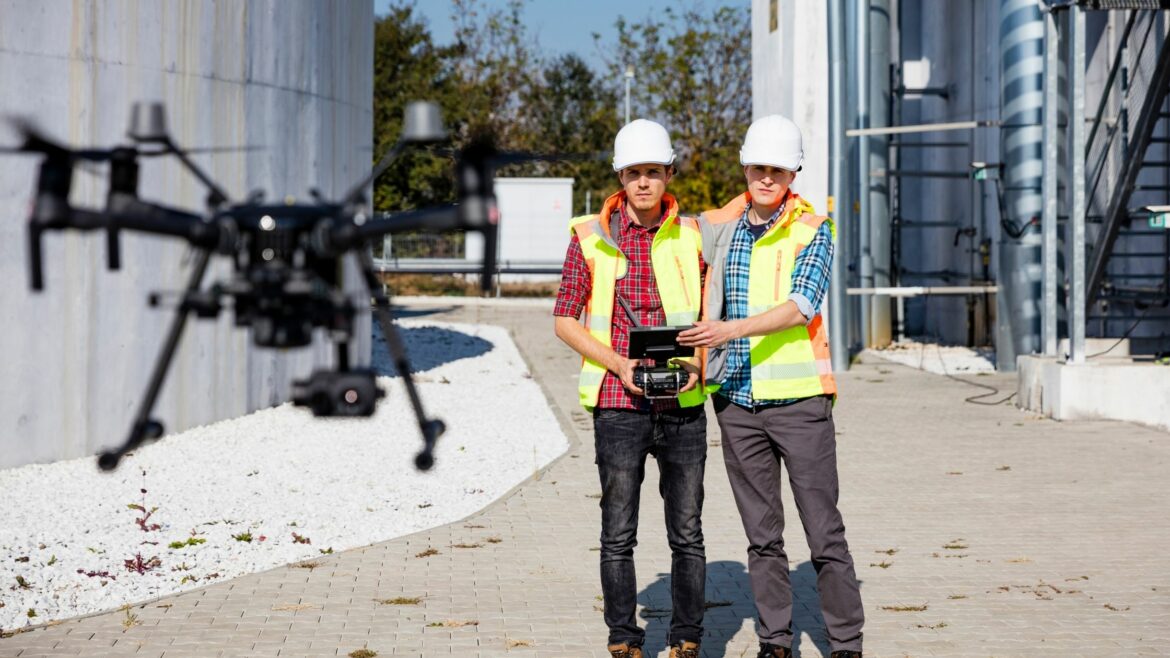
In construction, drones are an invaluable eye in the sky, perfect for surveying a site safely and with a robust panoramic. In 2021, we’ll see more and more construction companies implementing drones wherever possible. Whether it’s to run an initial safety sweep of a site, determine material costs for a job, or deliver materials themselves, drones will become a key part of countless construction teams all over the country.

Final Thoughts

2021 promises to be exciting for the construction industry, one in which theoretical possibilities of yesteryear will become realities. Drones, 3D printing and genuinely sustainable construction methods—all exciting stuff. By the time 2022 rolls around, it might all be commonplace. From all of us at Substrata, we hope you have a truly Happy New Year!