

Los Angeles has a housing supply problem and a transit infrastructure investment. The TOC program in Los Angeles was designed to connect them. Developers who build near major transit stops and include affordable units unlock a package of regulatory incentives — more units, less parking, more height — that can fundamentally change a project’s financial model. Substrata Construction works with developers navigating this program. This guide covers exactly how the program works, who qualifies, what the incentives deliver, and what the affordability obligations actually require before you commit to a site.
What Is the TOC Program and Why Was It Created?
The Transit-Oriented Communities (TOC) Incentive Program encourages the construction of affordable housing near bus and train stations. The new units generated by the TOC incentives provide convenient options for low-income residents, add to the City’s housing stock, and promote alternatives to car travel.
Measure JJJ, passed by voters in 2016, amended the Los Angeles Municipal Code to create the TOC program — a package of new incentives for building affordable housing near public transit. The program took effect September 22, 2017, and applies citywide wherever qualifying transit infrastructure exists.
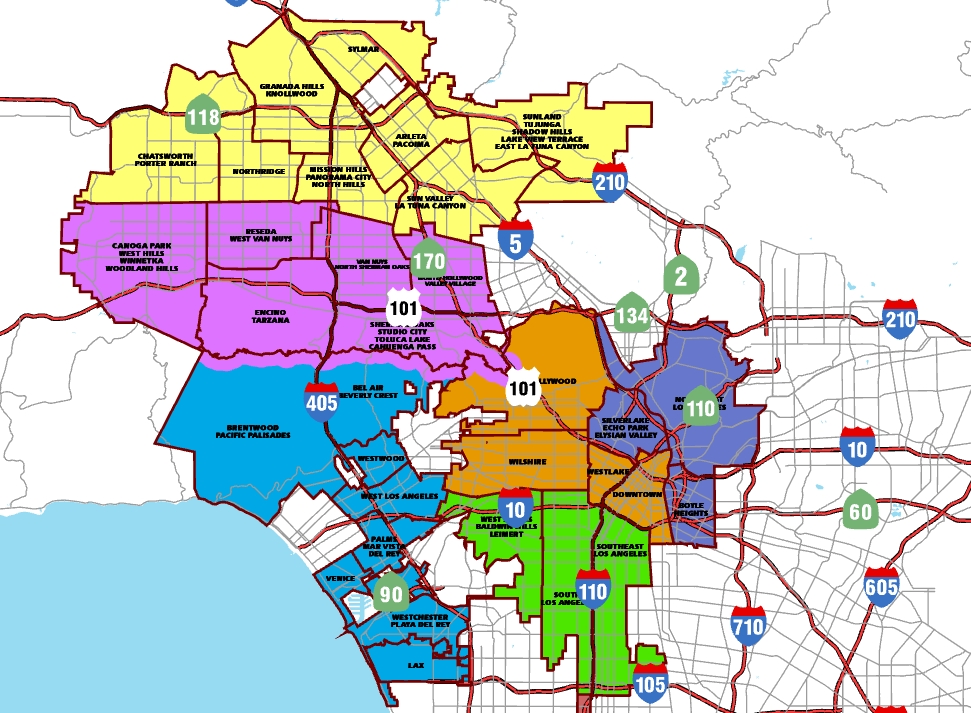
The design logic is straightforward. Low-income communities drive transit ridership in Los Angeles County, so putting affordable housing close to transit ensures that low-income riders can live in transit-served neighborhoods. Another aim of siting dense development near transit is to reduce overall vehicle miles traveled and the greenhouse gas emissions that come with them.
The scale of impact is real. City assessments show that the TOC program has added about 20,000 housing units to the City’s development pipeline, about 20% of which are affordable housing. For developers, the program represents one of the most accessible density bonus mechanisms available in Los Angeles — with no discretionary approval required for base incentives.
Eligibility: Identifying a Qualifying Site
Eligibility turns on two variables: location and project type.
Location and Tier Determination
Every qualifying site sits within a half-mile (2,640 feet) of a Major Transit Stop. A Major Transit Stop is a rail station or the intersection of two or more bus routes operating at 15-minute or better frequency during peak commute hours. The program assigns every qualifying parcel to one of four tiers based on distance and transit type.
The tier structure, sourced directly from the official TOC Guidelines:
- Tier 1: 750–2,640 feet from an intersection of two regular bus lines
- Tier 2: Within 750 feet of two regular bus lines, or 750–1,500 feet from a regular-plus-rapid bus intersection
- Tier 3: Within 750 feet of a regular-plus-rapid bus intersection, or within 2,640 feet of a Metro Rail station
- Tier 4: Within 750 feet of a Metro Rail station that also intersects with another rail line or a Rapid Bus route
Higher tiers unlock larger incentives. Tier 4 — the Metro Rail stations with rapid bus connections — delivers the most aggressive development relief available under the program. Developers should use the ZIMAS mapping tool to confirm tier classification at the parcel level before making any land acquisition or design decisions.
Project Type Requirements
The project must be a housing development of five or more residential units. Mixed-use projects qualify. The project cannot simultaneously receive incentives under California’s State Density Bonus Law or through a General Plan Amendment, Zone Change, or Height District Change. TOC and State Density Bonus are mutually exclusive — developers must choose one.
Additionally, projects that replace existing housing must maintain the same unit types and affordability levels as the units being replaced, verified by HCIDLA prior to permit issuance.
The Incentives: What TOC Actually Delivers
Base Incentives — Available to All Qualifying Projects
Base incentives apply ministerially — no discretionary approval, no public hearing. Every project that meets the eligibility requirements receives them automatically.
Density increase (maximum increase in allowable units over base zoning):
- Tier 1: 50% | Tier 2: 60% | Tier 3: 70% | Tier 4: 80%
Floor Area Ratio (FAR) increase:
- Tier 1: up to 40% | Tier 2: up to 45% | Tier 3: up to 50% | Tier 4: up to 55%
Parking reductions — one of the program’s most financially significant incentives:
- Tiers 1–3: residential parking capped at 0.5 spaces per bedroom
- Tier 4: no required residential parking
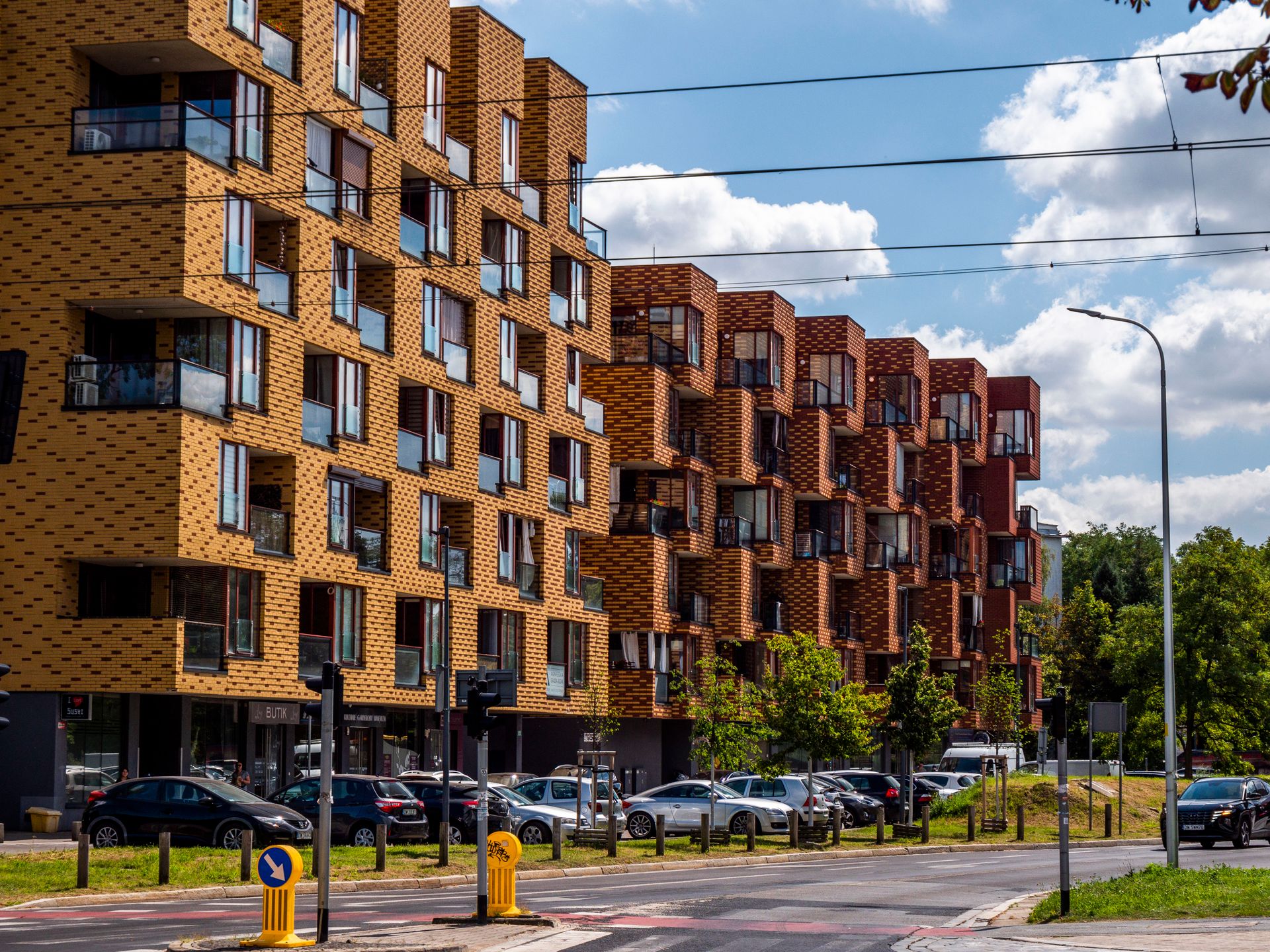
Eliminating or sharply reducing structured parking changes project pro formas substantially. In Los Angeles, structured parking typically costs $30,000–$50,000 per stall to build. A 50-unit Tier 4 project that previously required 60 parking stalls now requires zero — a direct construction cost reduction of $1.8 million to $3 million on parking alone.
Additional Incentives — Available with Greater Affordability Commitments
Beyond base incentives, developers can access up to three additional incentives from a menu that includes:
- Height increases: Tier 1–2: one additional story (up to 11 feet); Tier 3: two additional stories (up to 22 feet); Tier 4: three additional stories (up to 33 feet)
- Setback reductions: Up to 25–35% reduction in required side and rear yards depending on tier
- Lot coverage increases: Tiers 1–2: up to 25%; Tiers 3–4: up to 35%
- Open space reductions: Tiers 1–2: up to 20%; Tiers 3–4: up to 25%
Projects that comply with the labor standards in LAMC 11.5.11 may access up to five additional incentives total. Furthermore, 100% affordable projects automatically qualify for one tier increase — meaning a Tier 2 site effectively receives Tier 3 incentives.
The Trade-Off: Affordable Housing Set-Aside Requirements
The incentives are not free. Every TOC project must covenant a percentage of units as permanently affordable — restricted to income-qualified households for a minimum of 55 years from the issuance of the Certificate of Occupancy.
The minimum affordability requirements to access base incentives, per the official TOC Guidelines:
| Tier | Extremely Low Income (ELI) | Very Low Income (VL) | Lower Income |
|---|---|---|---|
| Tier 1 | 8% | 11% | 20% |
| Tier 2 | 9% | 12% | 21% |
| Tier 3 | 10% | 14% | 23% |
| Tier 4 | 11% | 15% | 25% |
Developers choose one affordability level per tier — not all three. Deeper affordability (ELI) requires fewer units but serves households with the lowest incomes. Lower income units require a higher percentage but are easier to finance and lease. The right choice depends on available subsidy sources, financing structure, and the developer’s operational experience with restricted units.
Accessing additional incentives requires committing a percentage of the project’s base units — not total units — to affordability. One additional incentive requires 4% of base units at ELI. Two additional incentives require 7%. Three require 11%. These thresholds stack on top of the base affordability requirement, so developers pursuing the full package of additional incentives carry meaningful affordable unit obligations. Model this carefully before selecting your tier and incentive package.
The Application Process: Step by Step
TOC does not require a public hearing or discretionary review for base incentives — but the administrative process has specific steps that must be followed in order.

The official application sequence per LADCP:
- Verify your TOC Tier by completing the Tier Verification Form (CP-4051) and submitting it to the Affordable Housing Services Section (AHSS) through the Online Application System (OAS) portal. Include a radius map and bus schedules confirming your Major Transit Stop qualification.
- Apply for a building permit at LADBS. LADBS reviews the signed Tier Verification Form as part of this process.
- Apply for a Land Use Covenant at LAHD. LAHD reviews the Tier Verification Form and records the covenant with the LA County Recorder before any building permit issues.
- Obtain clearances from LAHD, LADBS, and City Planning before construction begins.
Projects requesting Additional Incentives follow the density bonus procedures in LAMC 12.22 A.25(g)(2) and involve City Planning review. This adds processing time. For base-incentive-only projects, ministerial review at LADBS is faster and more predictable. Furthermore, to qualify for TOC incentives, developers must file the application and tier verification forms at the Metro Development Services Center. Contact the Affordable Housing Services Section at Planning.AHSS@lacity.org for application-specific questions.
Is TOC Right for Your Next Development?
The TOC program in Los Angeles is one of the most developer-accessible affordable housing incentives in the state. The base incentives — density, FAR, and parking — deliver real financial value on qualifying sites without discretionary approval. The additional incentives add height and setback relief in exchange for deeper affordability commitments. The trade-off is manageable for developers who model it correctly from the start and who have experience operating restricted affordable units under a 55-year covenant.
The program works best for developers who identify TOC-eligible sites before land acquisition — not after. Tier determines incentive magnitude, and the difference between Tier 2 and Tier 4 is the difference between a moderately improved project and a fundamentally different pro forma.
Substrata Construction applies commercial construction discipline to transit-oriented communities’ development — from pre-acquisition feasibility analysis through permit coordination and construction execution. Ready to move forward on your next development project? Contact Substrata to discuss your project scope and how our commercial construction expertise delivers transit-oriented communities built for long-term performance and compliance.


