

Los Angeles has a construction problem that no amount of permits or funding can solve without people. Before the Palisades and Eaton fires, LA was already short roughly 70,000 qualified construction workers. The fires pushed that number above 100,000. Nationally, Associated Builders and Contractors reports the industry must attract 349,000 new workers in 2026 just to meet demand for construction services. The construction workforce shortage is not a future problem. It is the primary constraint on project delivery right now. Substrata Construction operates inside this market every day. Understanding the root causes, the cost implications, and the solutions in motion matters for every developer, owner, and contractor working in LA.
Root Causes: Why the Pipeline Isn’t Refilling
The construction labor market shortage did not emerge overnight. Three structural forces created it — and all three are worsening simultaneously.
An Aging Workforce With No Successor Pipeline
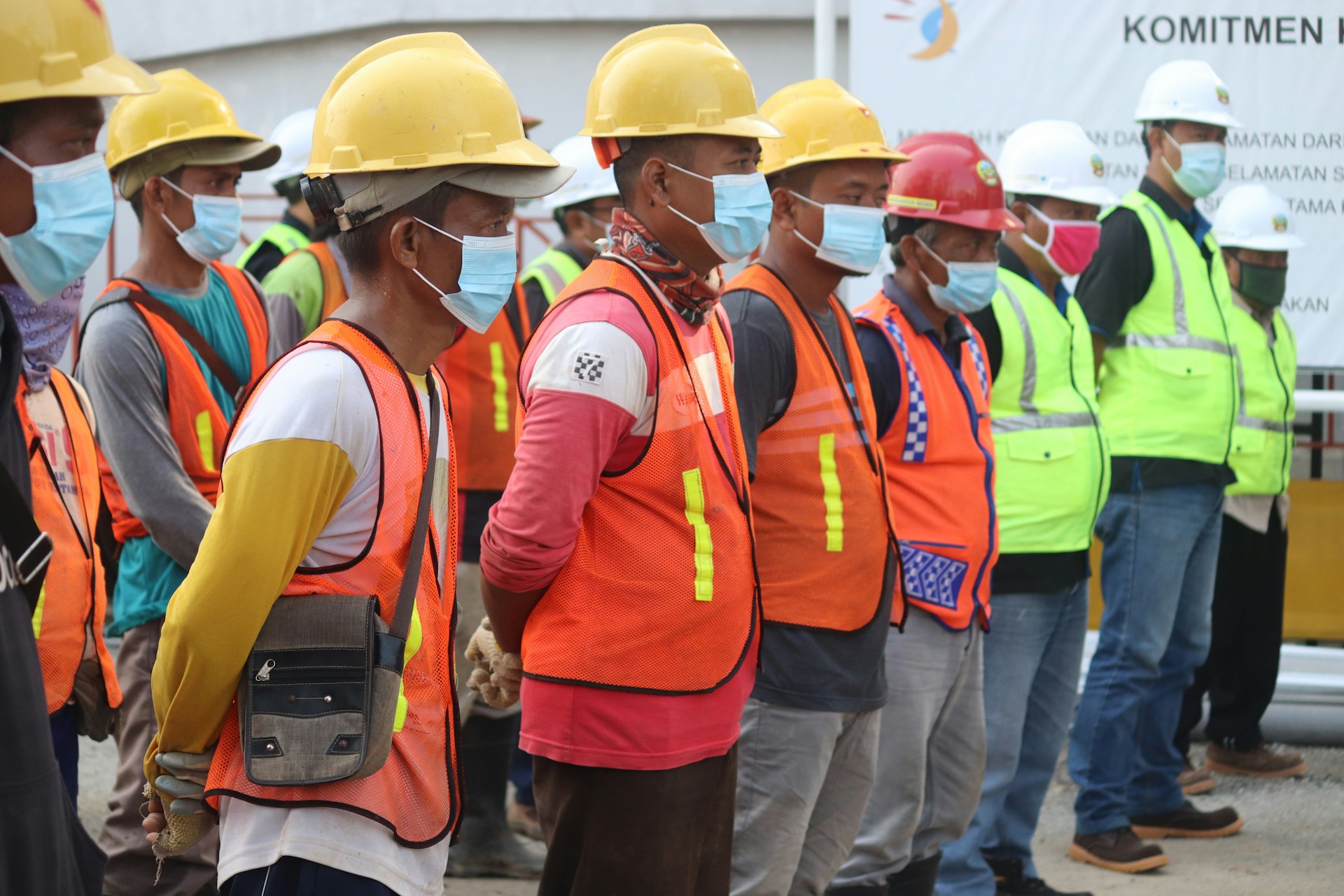
Nearly 41% of the construction workforce is expected to retire by 2031. Daryl Luter, President of Fulcrum Associates, stated it directly at the CCIM Institute’s Breaking Ground panel: “The average tradesperson is in their 50s, and the pipeline isn’t refilling fast enough. We’ve got a 10-year problem, not a 30-year one.” This is a demographic cliff, not a cyclical dip. The workers leaving are experienced journeymen. The workers who should be replacing them are not entering the trades at the required rate.
The image problem is real. For decades, four-year college was presented as the default path. Skilled trades were treated as a fallback rather than a career choice. That cultural framing suppressed new entrant rates precisely when the industry needed them to increase. The average age of entry into apprenticeship programs has shifted upward as a result. Younger workers who might have entered construction at 18 are entering at 24 or 25 — if they enter at all.
Competition From Other Industries
LA construction jobs compete directly with technology, logistics, and service sector employers for the same young, physically capable workforce. Amazon distribution centers, last-mile delivery companies, and gig platforms offer immediate income with lower skill barriers. Construction’s longer training periods and higher physical demands make recruiting harder when wages across competing industries are also rising.
Additionally, one-third of construction businesses report that federal immigration actions have caused project delays. A workforce that has historically relied heavily on immigrant labor faces new instability. Regional forecasts project a nearly 10% increase in construction-related jobs in the San Gabriel Valley alone — against a labor pool that is shrinking, not growing.
Impact on the Bottom Line: What the Shortage Actually Costs
This is not a human resources problem. It is an income statement problem.
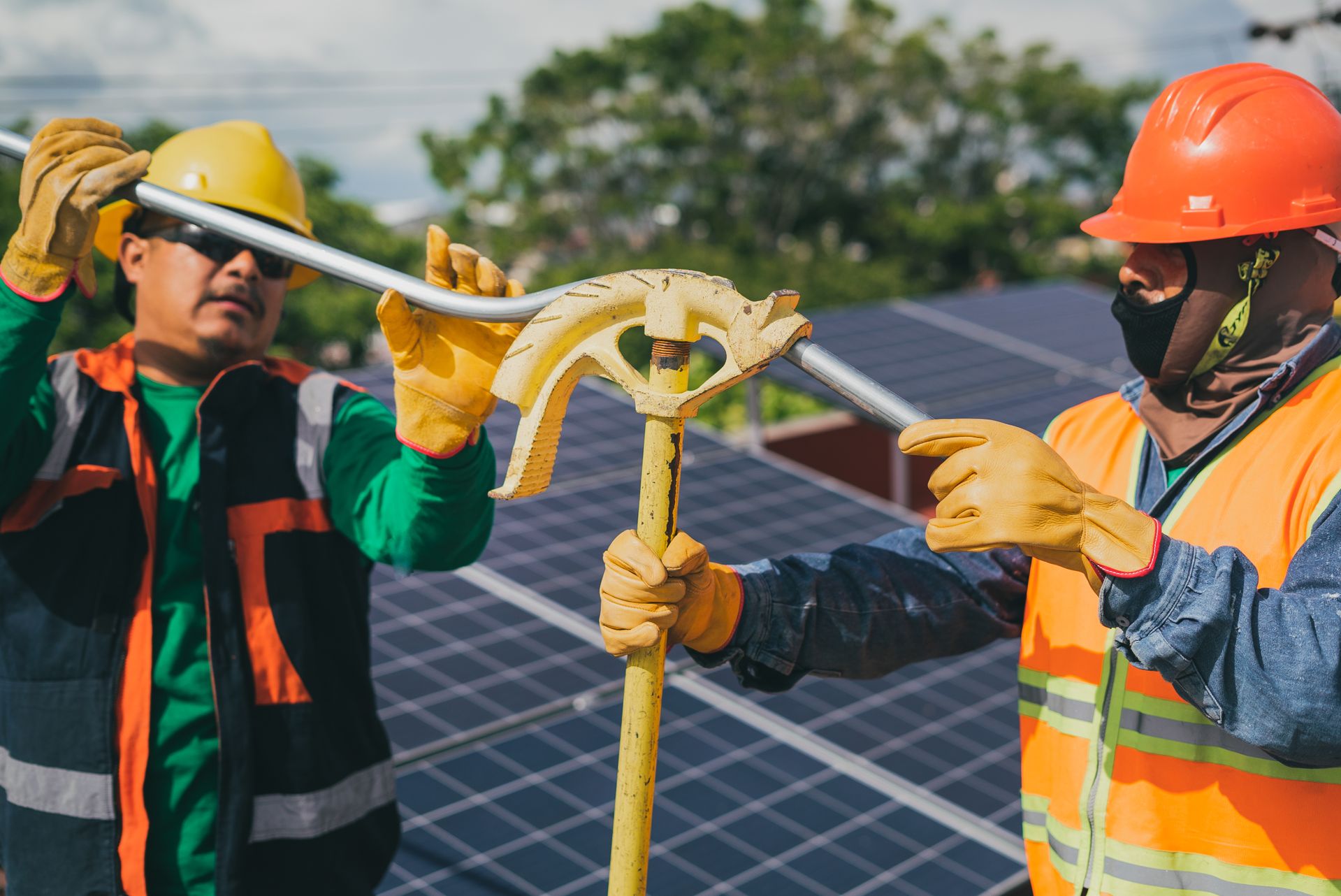
The AGC of America and NCCER’s 2025 Workforce Survey found that 92% of construction firms hiring report difficulty finding qualified workers. 45% say labor shortages actively cause project delays. 78% experienced at least one delayed project in the prior twelve months. These are not projections. They are reported outcomes from nearly 1,400 surveyed firms.
The cost impact is direct. Labor shortages cost the construction industry more than $10.8 billion annually through lost productivity and delayed projects. Furthermore, workforce constraints add nearly two months to construction timelines on average. For commercial developers carrying construction financing, two additional months of carry cost is not a rounding error.
Wage Pressure and Bid Risk
Average hourly earnings for construction employees hovered around $40 to $41 in early 2026. Year-over-year labor cost increases run 3 to 5% depending on trade and region. Contractors are being advised to plan for 6 to 8% annual labor cost increases in 2026 bids. Underestimating that escalation on a fixed-price contract produces losses before the first inspection.
Moreover, crews working short produce more overtime, more fatigue, and more errors. One 2025 industry guide puts commercial rework at 5 to 10% of total labor cost. Rework on a constrained labor project compounds the shortage — the same workers who are already stretched spend additional time correcting what was done wrong the first time.
Solutions in Action: Building the Next Generation of Construction Workers
The industry is not waiting for the problem to solve itself. Significant investment in workforce development is underway — both at the national level and specifically in Southern California.
Apprenticeships: The Proven Pipeline
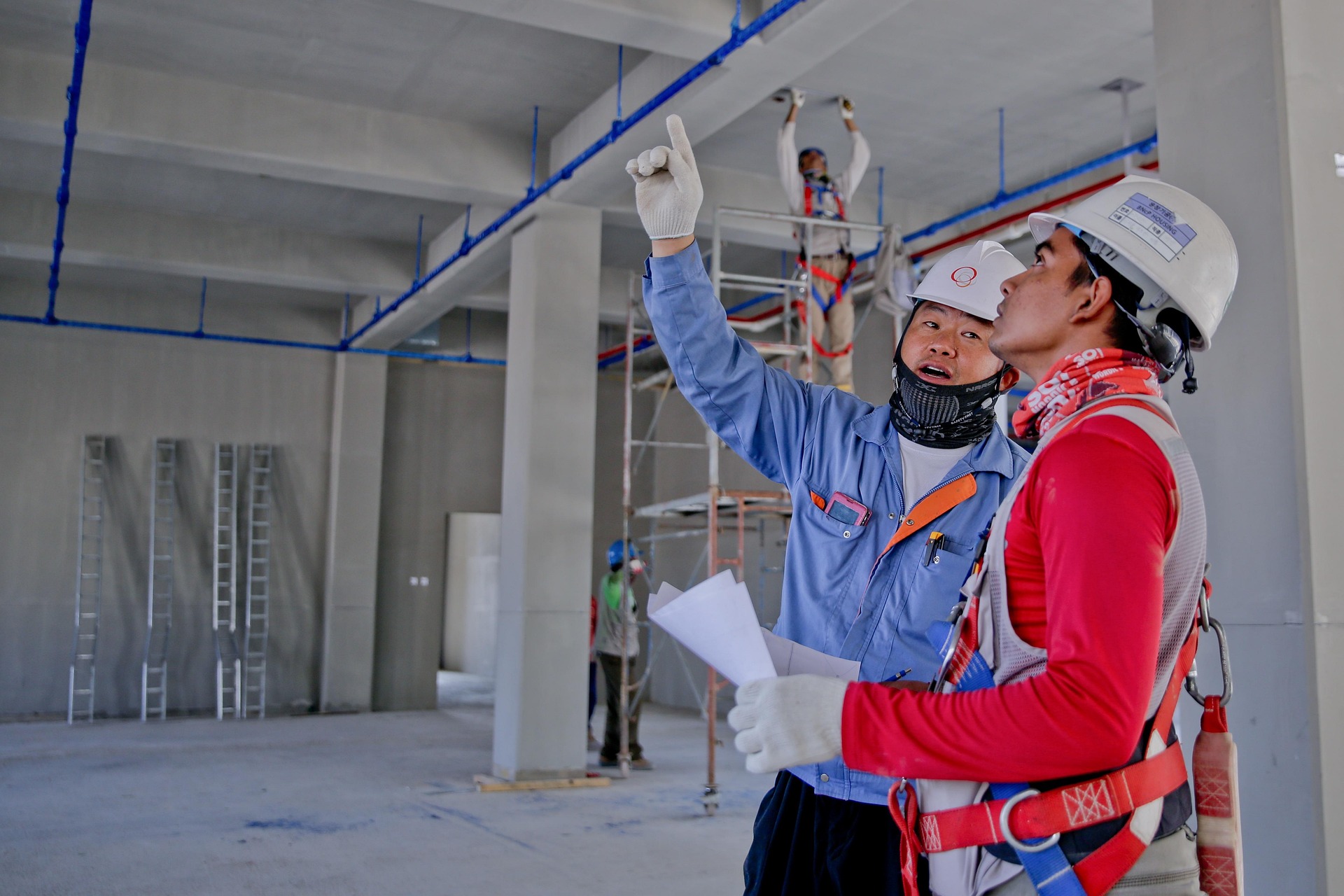
ABC SoCal’s state- and federally approved Apprenticeship Program combines paid on-the-job training with related classroom instruction. Apprentices earn while they learn through up to 8,000 hours of on-the-job training. High demand for electrical, plumbing, and low-voltage professionals makes these trades a direct priority for ABC SoCal’s program delivery. The earn-while-you-learn model addresses one of the primary barriers to entry: young workers who cannot afford to train without income.
Community College Investment and Trade School Expansion
The state awarded five Los Angeles community colleges a combined $5 million to train workers for wildfire recovery and to address the broader construction workforce shortage. The money funds new curricula, equipment, and program expansion. Pasadena City College is using its portion to build a 55,000-square-foot center for construction training. Los Angeles Trade-Technical College is using its funding to add supplies and updated curricula for carpentry and building trades students entering the industry.
Additionally, ABC SoCal’s Trade School provides a practical, career-focused alternative to traditional college — emphasizing hands-on learning and direct pathways into high-demand construction work. Furthermore, a coalition of LA community colleges and nonprofits has launched skilled trades programs specifically targeting high school students — offering paid summer training in carpentry, welding, and electrical work. Pasadena City College and Long Beach City College partnered with Harbor Freight Tools for Schools to deliver new skilled trades programming. BRIDGE Housing more than doubled enrollment in its trades program for high school students from the Jordan Downs community in Watts.
Technology as a Workforce Multiplier
No technology replaces a skilled tradesperson on a job site. However, technology reduces the number of touches required for a given output — and that matters when labor is the constraint.
Upskilling workers on rapidly evolving technologies is vital to the construction industry’s path forward. Specifically, BIM-driven prefabrication reduces on-site assembly time. AI-assisted scheduling reduces the management overhead per supervisor. Document control and compliance tools — increasingly AI-assisted — reduce administrative burden on field supervisors who need to be supervising, not processing paperwork. Consequently, a team of ten produces more output when its tools eliminate low-value tasks than the same team working without them.
Substrata invests in technology and process improvement precisely because the construction labor market will not supply additional workers on demand. Getting more from each crew member is not a margin exercise. It is a project delivery requirement.
Conclusion: The Workforce Gap Is the Project Risk
The construction workforce shortage in Los Angeles is structural, documented, and growing. The wildfire recovery demand has added urgency to a problem that preceded the fires by years. LA was already short 70,000 workers before the fires made it a 100,000-worker problem. Nationally, the industry needs 349,000 new workers in 2026 just to maintain current output. The gap between need and supply will not close without sustained investment in apprenticeships, trade school programs, high school pipelines, and technology.
Substrata Construction operates with this reality built into every project plan. Subcontractor relationships, early procurement of skilled trade packages, and productivity-focused construction methods are not preferences — they are responses to a market where labor availability determines project performance.
Ready to work with a construction partner who plans around the real constraints of LA’s construction labor market? Contact Substrata to discuss your project scope and how our expertise delivers projects on schedule — even in one of the tightest construction careers markets in the country.


