
Construction has a new primary constraint. It is not financing, permitting; It’s procurement. Transformers, switchgear, and copper-intensive electrical components now carry lead times that exceed the duration of the build itself. The CCIM Institute’s Breaking Ground panel — featuring senior leaders from Ryan Companies, Sundt Construction, and Fulcrum Associates — confirmed this directly in fall 2025. Ian McDowell of Sundt Construction stated it plainly: “Procurement is now the bottleneck. If materials aren’t ordered before you break ground, the project timeline is already off.” Substrata Construction applies this reality to every project it manages. Construction lead times are no longer a procurement department problem. They are a project strategy problem.
The New Normal: Year-Long Lead Times for Critical Electrical Components
The numbers are not projections. They are current market conditions.
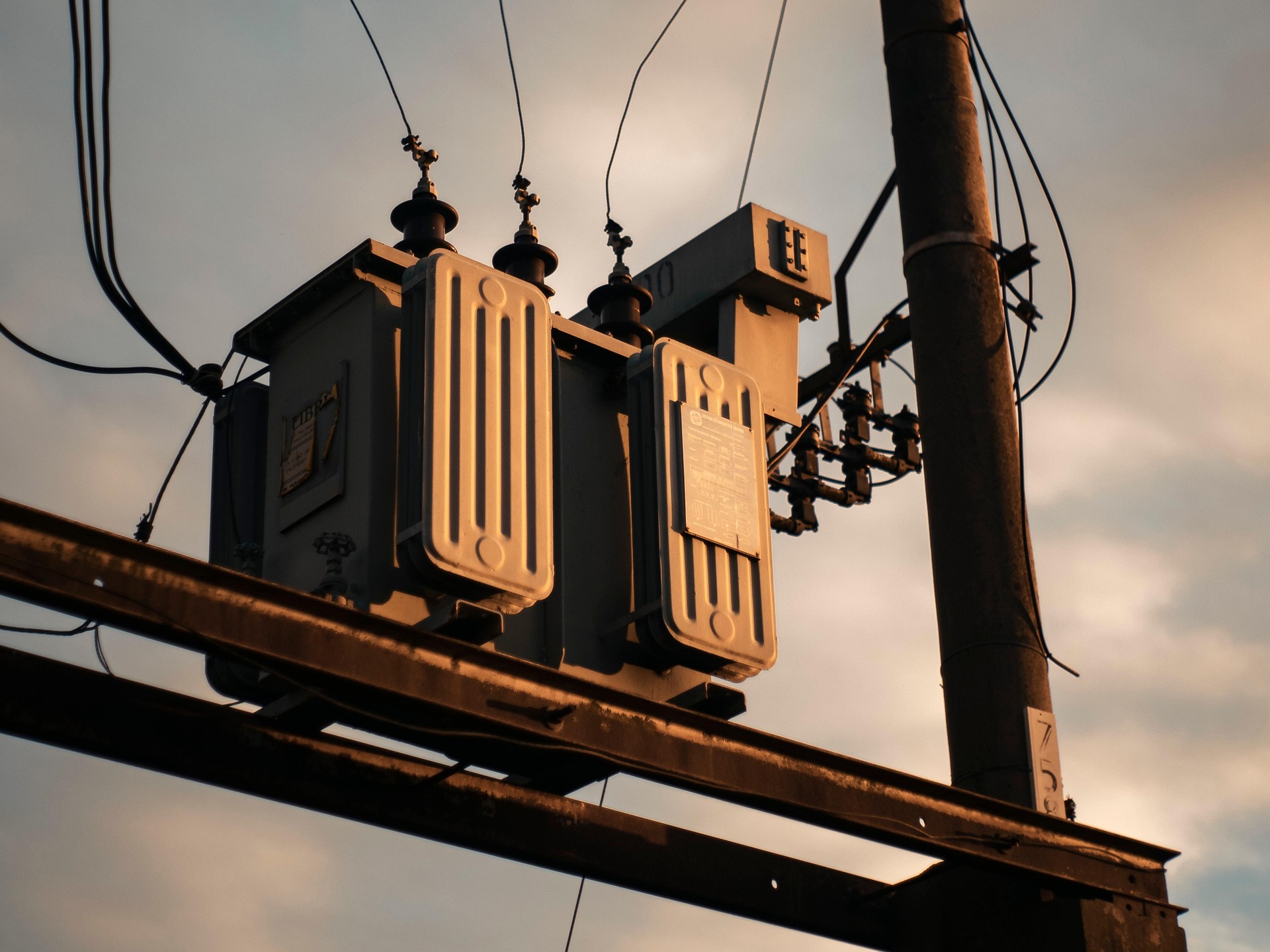
Generator step-up transformers average 144 weeks. Substation-class transformers now run above 160 weeks in Wood Mackenzie’s 2026 read. That is more than three years from order to delivery on a single piece of equipment.
Switchgear is not exempt. Average switchgear lead times sit at 44 weeks. Standard switchboards run approximately 52 weeks. Power circuit breaker switchboards extend past 84 weeks. Medium-voltage gear for certain specifications approaches two to three years. These lead times are 2 to 4 times pre-pandemic norms across all major equipment categories — and in some categories they are still worsening in 2026, not improving.
Why Lead Times Are Not Recovering
The supply shortage is structural. US transformer demand is projected to exceed domestic manufacturing capacity by 30 to 40% through at least 2028. Building a new transformer manufacturing facility takes 3 to 5 years and requires specialized equipment and trained workers. Both are themselves in short supply.
Material costs compound the constraint. Power transformer prices have risen 77% since 2019. Distribution transformer prices have climbed 78 to 95% over the same period. Grain-oriented electrical steel prices have roughly doubled since 2020. Copper prices have risen more than 50%. Furthermore, approximately 80% of large power transformers used in the US are imported. That exposes every commercial project to global supply chain construction pressures that domestic procurement cannot fully buffer.
When equipment availability becomes the gating factor instead of capital or permitting, the entire expansion timeline gets dictated by supply chains that a project cannot control. McDowell reinforced this point in the CCIM panel discussion. “You can’t move forward without power. And substations don’t show up quickly. The lead time on gear can be longer than the actual build.”
Financial Implications: Early Equity Before Design Is Finalized
The procurement problem is not only a schedule problem. It reshapes the capital stack.

Eric Engh, Senior Vice President of Construction at Ryan Companies, described the new financial reality at the CCIM panel discussion: “Anything with copper or international components now requires early equity. That’s before design is finalized, before debt is in place. It’s uncomfortable — and it’s the norm.”
The implication is significant for commercial developers. Traditional deal structure sequences equity commitment after design, permitting, and debt placement. That sequence no longer works for projects dependent on long-lead electrical equipment. Consequently, developers must commit equity to procurement before conventional financing milestones have been reached. The alternative is ordering equipment late and watching the schedule slip accordingly.
The Compounding Cost Problem
A project schedule that assumes a 24-week switchgear delivery now needs to assume 72 weeks. The arithmetic is direct. A project with a 12-month target construction timeline that orders electrical equipment at groundbreaking will finish 12 to 18 months late — not because of construction execution, but because the equipment simply hasn’t arrived.
Furthermore, components compound against each other. If switchgear arrives at week 92 but a transformer doesn’t arrive until week 128, that creates 36 weeks of idle equipment sitting on a concrete pad. The carrying cost on multi-million-dollar electrical gear is not trivial. Additionally, subcontractors scheduled for electrical installation cannot mobilize without the equipment present. Schedule delays produce labor cost escalation on top of the carrying cost.
Strategic Response: Early Procurement, GMP Contracts, and Supplier Partnerships
The construction industry has identified the correct responses to this problem. Executing them requires changing when procurement begins — not just how it is managed.
Early Procurement and Preconstruction Strategy
Preconstruction services are no longer a nice-to-have, according to Daryl Luter, President of Fulcrum Associates. “They’re essential. We help design smarter, spot cost risks sooner, and guide procurement strategy from day one.”

Early procurement means identifying long-lead items during schematic design — before construction documents are complete and before permits are in hand. For electrical equipment, it means placing orders based on preliminary specifications and updating them as the design firms up. This requires the contractor to be at the table during design. It also requires the owner to authorize early purchasing commitments before conventional procurement triggers are met.
Substrata integrates procurement construction planning into every project’s preconstruction phase. Long-lead items map against the construction schedule from the first program meeting — not from the permit issuance date.
GMP Contracts as a Procurement Hedge
Engh described how construction teams increasingly use initial and final Guaranteed Maximum Price (GMP) contracts to navigate procurement uncertainty. The initial GMP establishes a working price while procurement is still in progress. The final GMP locks the contract once equipment pricing is confirmed. “It lets everyone stay engaged while giving room to adjust for market swings,” Engh explained.
This structure acknowledges a market reality. Locking a hard fixed price before electrical equipment is ordered forces the contractor to price in supply chain risk through contingency. Consequently, the owner pays for uncertainty they could avoid by accepting a GMP structure that adjusts to actual procurement outcomes. For commercial supply chain construction projects with significant electrical scope, the GMP structure reduces the gap between the bid price and the final cost.
Supplier Partnerships Over Spot Procurement
A common mistake in this market is assuming that placing an order eliminates supply chain risk. It does not. Manufacturers operate with allocation systems. A contractor with an established manufacturer relationship gets production slots. A contractor arriving as a new buyer in a constrained market does not.
Developing supplier relationships before a project creates ordering access that spot procurement cannot replicate. For developers, this means evaluating contractor manufacturer relationships as part of the qualification process — not just pricing and references. A contractor who cannot demonstrate established relationships with transformer and switchgear manufacturers is a contractor who will be competing for allocation with every other project in the queue.
Luter summarized the broader principle at the CCIM panel: “Collaboration early on isn’t just efficient — it’s protective. It de-risks everything from pricing to timelines.”
Conclusion: Procurement Is Now a Project Strategy Decision
Construction lead times for critical electrical equipment have fundamentally changed the sequence of commercial project delivery. Equipment must be ordered before design is complete. Equity must be committed before debt is in place. Construction schedules must be built around procurement milestones — not around design or permit milestones.
Developers and owners who treat procurement construction as a back-end execution task will continue to see projects slide to the right. Those who integrate procurement into preconstruction strategy — with early equipment commitments, GMP contract structures, and contractor supplier relationships — will control their own timelines.
Substrata Construction incorporates supply chain analysis into every commercial project’s preconstruction phase. Long-lead electrical equipment lead times get identified and mapped against the schedule before construction documents are issued.
Ready to build a project schedule that accounts for today’s procurement realities? Contact Substrata to discuss your scope and how our commercial construction expertise delivers projects built on a procurement plan — not optimistic assumptions.


